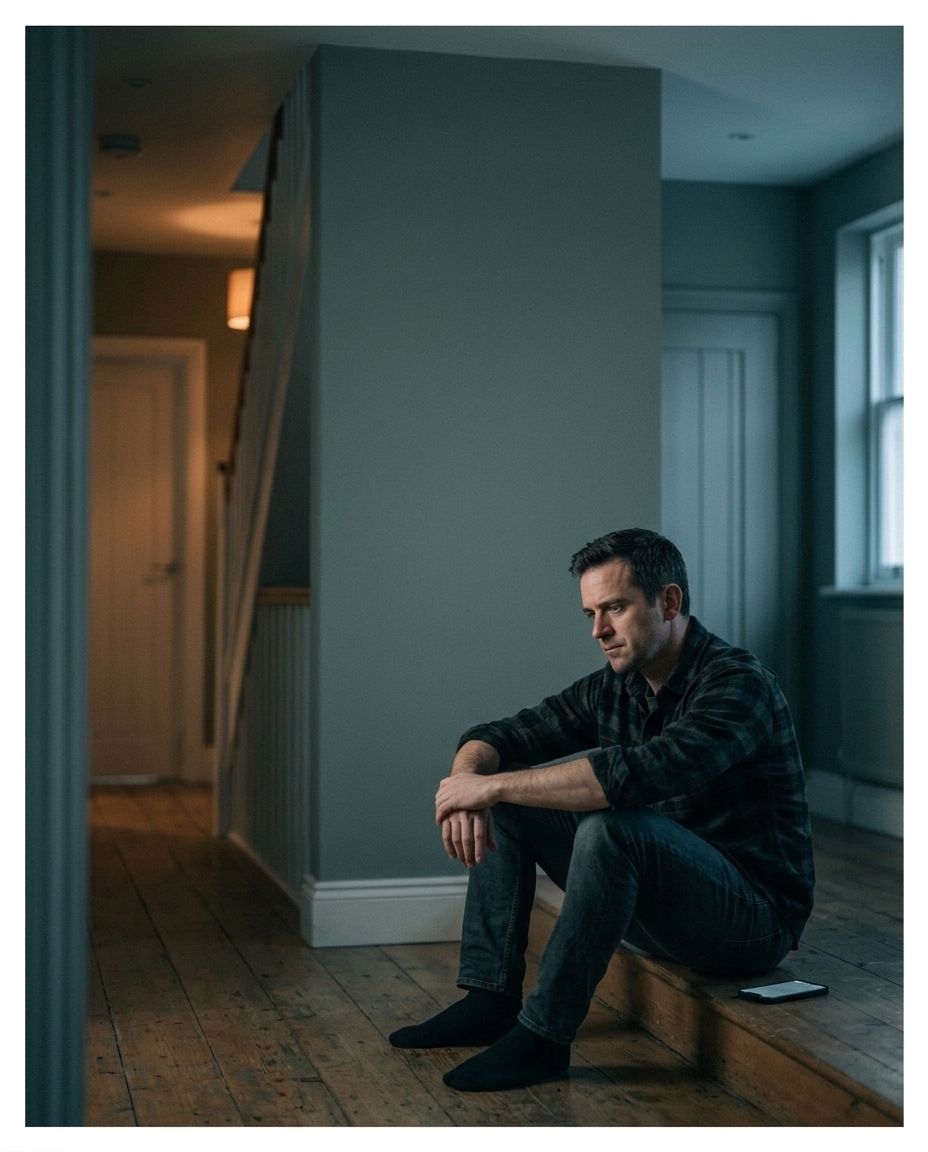
Understanding Family Scapegoat Signs: Unpacking Emotional Abuse in Family Dynamics
Understanding Family Scapegoat Signs: Are You the Target of Emotional Abuse?
Do you often feel blamed for family issues? If you’ve found yourself consistently at the receiving end of family conflicts or being made to feel responsible for their dysfunction, you may be experiencing the complex role of a family scapegoat. This article aims to unravel the emotional turmoil associated with being a scapegoat and illuminate the signs that may validate your experiences.
The Emotional Landscape of a Family Scapegoat
Being a family scapegoat often results in deep-seated feelings of confusion and isolation. You might feel that, no matter what you do, your contributions are overshadowed by blame and criticism. It's important to recognise that this dynamic is symptomatic of a broader, dysfunctional family system. Emotional abuse is often insidious, creeping in so subtly that it can leave you questioning your feelings and perceptions, a phenomenon known as gaslighting.
Signs You May Be a Family Scapegoat
If you resonate with the following signs, it may be time to critically assess your family dynamics:
1. Chronic Blame
In a dysfunctional family, one member often becomes the designated 'bad guy.' You may find that your opinions, mistakes, and behaviours are used against you more than others in the family. For instance, if every family gathering turns into a critique session centred around your perceived shortcomings, this is a significant indicator.
2. Emotional Isolation
You might feel alienated from your family, as if you're the only one who sees things differently. This isolation is sometimes perpetuated by family members who gaslight your experiences, making you question your understanding of events.
3. A Pattern of Deflection
When issues arise in the family, attention quickly shifts to you—regardless of your involvement in the situation. For example, if your sibling fails to meet expectations but you end up facing the brunt of family disapproval, this is a clear sign of scapegoating.
4. Conflicted Relationships
Your relationships with family members may feel one-sided or overly tense. Perhaps you feel obliged to maintain peace or 'control' the narrative, often sacrificing your own feelings to keep the family dynamic intact.
5. Gaslighting Experiences
Gaslighting can manifest in many ways, including denial of past events or trivialising your feelings. For instance, if you express hurt over being excluded from activities, and you're told to 'stop being so sensitive,' it undermines your reality and exaggerates your feelings of confusion.
The Role of Emotional Abuse and Coercive Control
Understanding your position within the family structure is crucial for recognising the signs of emotional abuse. Coercive control often plays a vital role in maintaining the scapegoat dynamic. You may feel compelled to submit to family norms or 'play along' with emotional games, effectively stifling your true self for the sake of peace.
The Impact of Coercive Control
Coercive control can manifest through:
- Frequent criticism: Your worth is dictated by how well you conform to the family consensus.
- Isolation tactics: Family events where your voice is overshadowed lead to stifling your sense of self.
- Manipulation: You may find yourself being manipulated into taking responsibility for situations that aren't yours to own.
The Pattern Named
The scapegoat pattern often follows a silent yet predictable trajectory within a family dynamic: Instruction → Obedience → Public Shame → Denial → Isolation. Here, the structure is deceptively simple. Individuals are instructed, often without the awareness of underlying manipulation. When they obey, instead of receiving support, they may face condemnation, leading to isolation. This cyclical pattern often distorts self-perception and can lead to feelings of profound inadequacy and loneliness.
This pattern can go unnoticed by those within it, as the behaviour appears to be the issue, while the familial conditions that produce such behaviour remain unexamined.
What It Looked Like in Inaya’s Story
Let's take Inaya, a high-functioning professional, as a poignant example. From a young age, she was conditioned to believe that her worth was tethered to her family's expectations. Each time she would follow the guidelines they set, any misstep would lead to her being publicly chastised. Instead of encouragement, she experienced shaming from her parents, who would loudly express their disappointment in front of relatives, effectively making her the family's scapegoat.
Inaya’s internal narrative became: “I am wrong, even when I do what I’m told.” Years passed, and as an adult, she found herself explaining her decisions before they were even questioned, often hesitating to express her genuine thoughts. This represented not just an echo of her upbringing, but a learned survival mechanism—a mental filter that kept her away from potential shame.
Amelia’s Reflection
In reflecting on Inaya's journey, it becomes clear that the family scapegoat experiences a staggeringly isolating nature. The responsibility of family dysfunction rests heavily on her shoulders, perpetuating a cycle of shame and self-doubt. In these patterns, we witness how emotional abuse evolves, by silencing the voice of the scapegoat, the family system maintains its façade of harmony while suppressing the pain of the individual.
Inaya's profound overachievement, while seemingly a success narrative, can be viewed as an escape from a painful past. The pressure to be hyper-independent becomes a defensive strategy, a reaction to childhood conditioning where reliance on others was synonymous with guilt and blame.
Why This Matters
Identifying the signs of being a family scapegoat is crucial for trauma survivors, particularly for those from coercive family systems. This recognition allows individuals to begin untangling their experiences, fostering a path towards healing. It empowers high-functioning professionals like Inaya to reflect and break free from harmful patterns, while also resonating with women in restrictive cultures who may face similar conditional freedoms.
Moreover, acknowledgement of these dynamics is essential in the broader discourse surrounding emotional abuse, as it contributes to a more compassionate understanding of trauma and its pervasive effects on mental well-being.
Reflection Questions
- Have you ever felt unjustly blamed within your family dynamics?
- What coping mechanisms have you developed to navigate feelings of shame or isolation?
- How might the recognition of these patterns change your understanding of your family relationships?
Practical Steps for Recognition and Recovery
Recognising your role as a family scapegoat is just the first step. Here are some practical approaches to navigate your feelings and reactions:
1. Validate Your Feelings
It’s imperative to acknowledge your feelings without judgement. Journaling or speaking to a trusted friend can provide an outlet for your emotions.
2. Establish Boundaries
Setting boundaries is crucial. You have the right to protect your emotional wellbeing, as challenging as that may be.
3. Seek Professional Guidance
Consulting with a therapist who understands family dynamics can be immensely beneficial. They can provide you with tools to navigate your emotions and experiences.
4. Build a Support Network
Seeking out friends or allies who validate your feelings can provide immense relief. While immersive community support isn’t an option through Gas-2-Light, there are plenty of resources and publications that can help you along your journey.
A Path Towards Healing
While understanding your position within your family may initially feel overwhelming, it can ultimately empower you to reclaim your narrative and foster healthier relationships in the future. Recognising the signs of being a family scapegoat is the first step towards healing and emotional liberation.
Further Information
Understanding these dynamics may require insight that can aid in the healing journey. For further exploration of emotional patterns and their impacts, consider reading Gas-2-Light: The Pattern by Amelia Khan. This resource provides valuable reflections on the emotional terrain of family dynamics and the ways we can reclaim our narratives. Follow us on Instagram and TikTok for more insights into emotional awareness and healing.
FAQ Section
Q1: What is a family scapegoat?
A1: A family scapegoat is an individual who is unfairly blamed for problems within the family, often absorbing the family's dysfunction and emotions.
Q2: What are the signs of being a family scapegoat?
A2: Signs include chronic blame, emotional isolation, a pattern of deflection, conflicted relationships, and experiences of gaslighting.
Q3: How does gaslighting relate to being a scapegoat?
A3: Gaslighting is a common tactic used in family dynamics that makes the scapegoat doubt their reality, exacerbating feelings of confusion and helplessness.
Q4: Can I recover from being a family scapegoat?
A4: Yes, recovery is possible through self-validation, setting boundaries, and seeking professional guidance to navigate the emotional landscape.
Q5: What resources can help me understand my situation better?
A5: Resources such as books from Gas-2-Light provide insight and understanding into family dynamics and emotional abuse.
Family Scapegoat, Signs of a Family Scapegoat, Emotional Abuse, Family Dynamics, Gaslighting, Coercive Control, Family Dysfunction